Bedding & Sleep Comfort
Wool Toppers and Moisture Management: A Guide to Natural Bedding
A wool topper can soften a mattress without turning the bed into a sealed, overheated nest. Its particular talent is less dramatic than a promise of perfect sleep, and more useful: wool can take up moisture vapor and release it gradually, helping the sleep surface feel more even. In Fort Lauderdale and across South Florida, where indoor air-conditioning meets persistent outdoor humidity, that quality deserves a closer look—along with the practical questions of thickness, fit, and care.
Published October 14, 2026
A small layer with a complicated job
A mattress topper is an intermediary, a modest negotiator between the body and the mattress beneath it. It may soften a firm surface, add a little loft, or change how the bed feels without requiring the larger expense or upheaval of replacing the mattress. But toppers are not interchangeable. Foam, down-alternative fill, latex, and wool each bring a different combination of cushioning, resilience, airflow, and maintenance demands.
Wool is notable because it behaves differently from a simple cushion. A wool topper is usually made with wool batting held inside a textile cover, sometimes quilted or tufted to keep the fill from shifting. The result can add a gentle, somewhat springy layer—not necessarily the enveloping softness of thick foam, and not the buoyant, pronounced push-back of latex. It is often best understood as a subtle adjustment to the bed rather than a repair for a mattress that has lost its support.
The fiber’s appeal begins with its relationship to moisture. Wool can absorb water vapor within its structure and later release it into the surrounding air as conditions change. That does not mean a wool topper is waterproof, nor does it make a damp room dry. It means the fiber may help moderate the little cloud of warmth and moisture that gathers close to a sleeper over the course of a night.
That distinction matters. Bedding does not operate in isolation. Room temperature, ventilation, pajamas, sheets, mattress construction, and personal physiology all shape how warm or cool a bed feels. Wool can be one useful part of that arrangement; it is not a thermostat, a dehumidifier, or a treatment for night sweats.
What moisture management really means
People often describe wool as “temperature regulating,” a phrase that can sound more magical than the underlying idea. The practical point is that wool can absorb and release moisture vapor, while the fiber’s structure also traps air. Together, these characteristics may help reduce the abrupt, clammy sensation some sleepers notice when heat and perspiration accumulate at the surface of a bed.
Absorption is not the same as instant evaporation. Wool may take up moisture without feeling wet right away, but absorbed moisture still needs somewhere to go. In a well-ventilated, reasonably dry room, it can gradually dissipate. In a closed, persistently humid space, drying will be slower. The topper cannot make water disappear; it can only interact with the moisture around it in ways that may make the surface feel more comfortable.
There is a useful comparison here with a rain jacket. A waterproof shell aims to block liquid water. A wool layer is not a shell. It is a breathable fiber that can buffer moisture vapor and provide warmth. The distinction is important for households managing spills, bedwetting, incontinence, or other sources of liquid. A wool topper alone should not be treated as a waterproof mattress protector. If liquid protection is needed, use a compatible protector designed for that purpose, and check that its backing does not create a warmer or less breathable surface than the sleeper prefers.
Wool’s response is also gradual rather than theatrical. It may contribute to a more comfortable microclimate over time, but it will not cancel a hot room, an overly warm duvet, or a mattress that holds heat in a way the sleeper dislikes. For many people, the most effective adjustments are cumulative: lighter bedding, a comfortable thermostat setting, air circulation, and a sleep surface that suits their own heat sensitivity.
The South Florida question
Fort Lauderdale presents a particular domestic arrangement. Outdoors, air can be warm and humid for long stretches of the year. Indoors, air-conditioning may make a bedroom pleasantly cool, while closed windows and conditioned air create a very different environment from the one outside. The weather report alone cannot tell you how a topper will behave in your bedroom. Indoor humidity, air movement, and whether the room has a chance to dry out all count.
For South Florida sleepers, the sensible approach is neither to assume that wool is automatically ideal in a humid climate nor to dismiss it as too warm. Consider how your room actually feels at bedtime and in the morning. Does the bed feel clammy? Does the air-conditioning run regularly? Do sheets dry fully after laundering? Is the mattress placed on a base that allows some air to circulate beneath it? These observations can be more useful than a broad claim about what works in a “hot climate.”
Moisture can collect in less obvious places, too. A mattress pressed against a poorly ventilated floor or an exterior wall may not dry as readily as one with suitable clearance and airflow. After washing sheets or a washable protector, let them dry completely before making the bed. If the bedroom stays shut during the day, occasional ventilation—when outdoor conditions and indoor air quality make it appropriate—may help refresh the space. A room dehumidifier may be worth considering when indoor humidity is persistently high, but it should be selected and maintained according to its instructions.
There is no need to air a wool topper in direct sun or expose it to heat in an attempt to hurry the process. Follow its care label. A shaded, dry, well-ventilated room is generally a more conservative place to let bedding air out. If you notice a lingering musty odor, visible mold, or repeated dampness, investigate the room and mattress environment rather than relying on the topper to absorb the evidence.
Choosing thickness, feel, and construction
Thickness is not a simple measure of quality. A thin wool pad may add a restrained softness and make a firm mattress feel a little more welcoming. A thicker layer can create a more noticeable cushion, but it may also alter the way the body settles into the bed. If the mattress already has a plush pillow top, an additional topper may feel excessive, shift under the sheets, or make the sleep surface too warm for a particular sleeper.
It helps to begin with the problem you want to solve. If the mattress is basically supportive but slightly too firm at the shoulders or hips, a modest layer may be enough to change the first impression. If the mattress has sagging or uneven support, a topper is unlikely to correct the underlying issue. It can disguise a dip for a while, but the body will still be lying on the same compromised base.
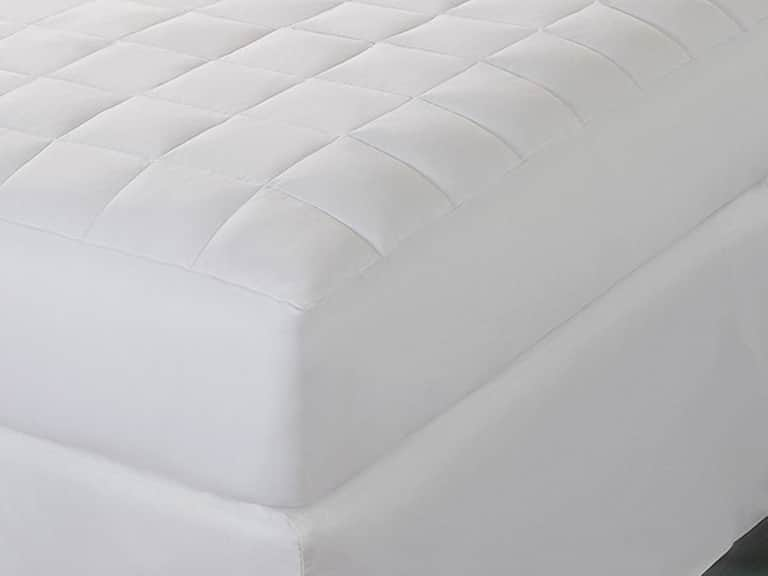
Construction details matter. Wool may be quilted into channels or held by tufts, with different patterns affecting how evenly the filling stays in place. A fitted skirt, elastic straps, or a flat design secured beneath a fitted sheet can influence whether the layer moves during the night. Check the finished dimensions and the height of the mattress before buying. A deep mattress, a thick existing pad, and a topper can together exceed the depth of a fitted sheet that once fit neatly.
Also look closely at the cover and the care instructions. Cotton covers are common, but the material, weave, and quilting can change the hand of the surface and its breathability. Ask whether the entire topper is washable or whether only a removable cover can be laundered. “Natural” does not mean maintenance-free, and the most carefully made bedding can be a poor match if its required care is impractical for the household.
When comparing materials, remember that the purpose is not to identify a universally superior fiber. Wool can provide gentle cushioning and moisture buffering; latex tends to feel more buoyant and responsive; foam can offer closer contouring; and down-alternative fills may feel loftier and softer. The right choice depends on the sleeper’s preferences, the existing mattress, allergies or sensitivities, and the amount of care they are willing to give the bedding.
Wool toppers and wool-quilted mattresses
Some beds place wool not in a removable topper but within the mattress’s quilted layers. The difference is more than a matter of vocabulary. A topper is an independent layer that can be adjusted, removed, aired, or replaced. Wool quilted into a mattress cover is part of the mattress’s construction and generally cannot be cared for separately. If you are comparing sleep surfaces, ask where the wool is located and what the manufacturer recommends for maintenance.
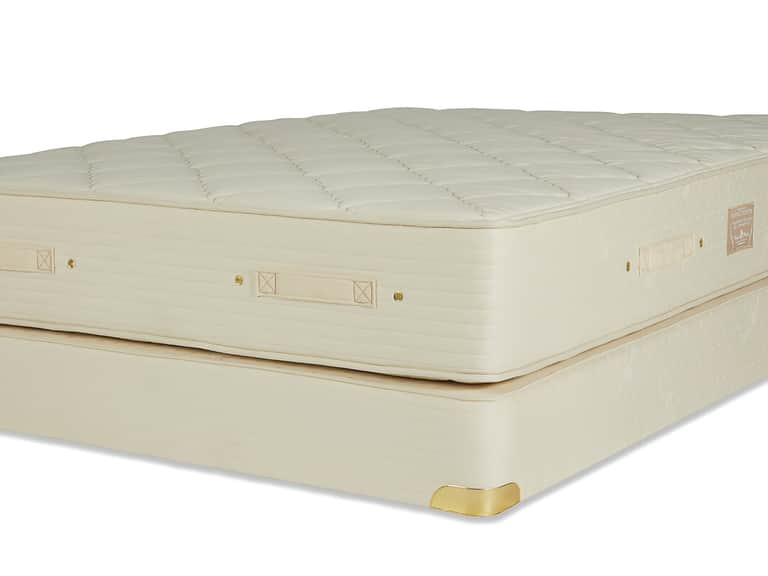
One example of this integrated approach is the Royal-Pedic Premier Natural Latex Quilt-Top Mattress, which combines a latex core with wool quilted into the cotton outer covering. It illustrates how wool may be used as part of a mattress’s comfort layers rather than as a standalone pad. That distinction is useful when deciding whether you want a removable surface adjustment or a bed designed with wool in its original construction.
For a removable topper, compatibility with the mattress and its protector deserves a quiet inspection. A thick waterproof cover may change the feel of a wool layer; a loose-fitting sheet may allow it to wrinkle or migrate. Lay out the components in order—mattress, protector if needed, topper, and fitted sheet—and check that each lies smooth and secure. A bedding stack should not become a small engineering project every morning.
Care without overdoing it
Wool products vary. Some washable wool pads are designed for machine laundering; others require spot cleaning or professional care. The care label is not a suggestion to be interpreted creatively. Washing temperatures, detergents, spin cycles, drying methods, and whether the item can be immersed may differ by construction. When in doubt, follow the maker’s instructions rather than applying a general rule to every wool textile.
For routine upkeep, use a washable fitted sheet and, where appropriate, a protector compatible with the topper. Rotate the topper from head to foot if its construction allows it and the care instructions do not prohibit rotation. Rotation can distribute wear, but it does not mean every topper should be flipped. Some have a defined top and bottom, or a fitted design that only works one way.
Spills should be handled promptly. Blot rather than rub, and avoid saturating the filling. Excess water can take a long time to dry inside a thick textile layer, particularly in a humid room. If the topper has become thoroughly wet, consult the care instructions and make sure it dries completely before returning it to the bed. A damp layer trapped beneath sheets is not a benign shortcut to a fresh sleep surface.
Once in a while, remove the sheets and allow the bed to air in a dry room. This need not become an elaborate ritual. The goal is simply to avoid trapping moisture indefinitely between layers. Keep the topper away from direct heat and prolonged direct sunlight unless its manufacturer specifically advises otherwise; intense heat can affect textiles and elastic components. Store it clean and fully dry in a breathable bag or other suitable container, not compressed in a damp closet.
Pay attention to changes over time. A topper that develops persistent odor, uneven clumps, thinning areas, or a damp feel may need cleaning, repair, or replacement, depending on its condition and construction. Wool fibers can be resilient, but durability is not a promise of indefinite life. Regularly inspect the mattress beneath it as well, especially if moisture protection is part of the reason you use a pad.
A measured way to decide
Before choosing wool, spend a few nights noticing what the current bed does. Does it feel too firm when you first lie down, or uncomfortable only after hours? Is the problem heat, dampness, pressure, or a mattress that no longer supports you evenly? A wool topper may help with a mild surface-comfort mismatch. It cannot diagnose a sleep disorder, repair a damaged mattress, or reliably resolve persistent night sweats.
If you are testing a new layer, give yourself time to assess it under ordinary conditions. Keep other bedding relatively consistent so you can tell what changed. Check that the fitted sheet still fits without pulling, and note whether the new layer shifts, retains unwanted warmth, or feels more comfortable at pressure points. Comfort is personal, but the process of evaluating it can be quite practical.
People with ongoing sleep disruption, unexplained sweating, significant allergies, or health concerns should consider speaking with a qualified clinician. Bedding choices can support a comfortable sleep environment; they are not substitutes for medical advice. Likewise, if indoor dampness or mold is a concern, address the source rather than treating a topper as a moisture-control system.
Wool’s value is ultimately unshowy. It can soften a bed, add a little cushioning, and help buffer moisture vapor near the sleep surface. Whether those qualities matter in your bedroom depends on the rest of the arrangement: the room, the mattress, the sheets, the sleeper, and the small habits that keep bedding dry and clean. In Fort Lauderdale, that means paying attention not merely to the weather outdoors, but to the conditioned room where the bed actually lives.
A good topper does not transform sleep by declaration. It earns its place more quietly: by fitting the mattress, feeling comfortable through the night, and remaining manageable to care for the next morning.
Quick checklist for wool bedding
- Identify whether you need cushioning, moisture buffering, or liquid protection; these are different functions.
- Measure the mattress and check topper dimensions, pocket depth, and fitted-sheet compatibility.
- Read the exact care label before washing, spot cleaning, rotating, or storing the topper.
- In humid conditions, let bedding dry fully and investigate persistent dampness or musty odors.
- Treat wool as one part of a comfortable sleep environment, not as a cure for heat, humidity, or health problems.