Fort Lauderdale, where the days lean toward sun and the nights invite a forgiving humidity, is a city that tests the stamina of any sleep surface. The body’s demand for a cool, steady surface is not a luxury; it is a necessity when the air is thick as a pressed cotton shirt and the night air clings with the sort of damp that invites dreams to linger rather than to hurry. The search for a mattress in such a climate becomes a quiet act of resilience, a daily negotiation between material science and the weather’s unspoken regulations.
Sleep science tells us that our bodies regulate heat and moisture through micro-climatic exchanges between skin, bedding, and room. A mattress that breathes is not merely a comfort accessory; it is a partner in maintaining core body temperature at a level where sleep can begin, proceed, and conclude with clarity. The materials you choose—whether natural latex, breathable cotton, or a plush, yet airy, top layer—determine how quickly heat dissipates and how well moisture is managed. In South Florida’s humidity, these decisions can determine whether a night is restorative or restless.
Understanding Heat, Humidity, and Sleep Temperature
To begin, we must separate the variables: warmth produced by the sleeper, heat that seeps through the bedding and mattress, and the ambient climate of the room. The science of sleep is clear on one front: a cooler core body temperature is conducive to falling asleep and maintaining sleep continuity. The mattress contributes directly to this process by offering a surface that allows air to circulate, wicks away moisture, and doesn’t trap heat. The goal is not to create something permanently cold, but to offer a surface that remains comfortable as the room temperature climbs.
Open-cell or pin-core latex, cotton-sateen covers, moisture-wicking fibers, and breathable toppers form a constellation of features that work together. A latex core, especially natural or open-cell variants, provides an airier structure that supports contour without trapping heat. A breathable cotton cover—permeable to air and moisture—acts as a conduit, not a barrier, allowing heat to escape while preventing sweat from saturating the layers below. Finally, toppers and encasements with moisture management can serve as vital connectors between the mattress and the sleeper, smoothing the path toward a cooler night’s rest.
Fort Lauderdale-Specific Considerations
In Fort Lauderdale’s climate, humidity and heat are seasonal constants. The humidity fuels the sense that the air itself is an energy source for the night, and the heat can intensify the sensation of surface warmth. In response, many locals orient their sleep environments around three principles: breathable base surfaces, temperature regulation at the surface, and moisture management that keeps the bed feeling dry and fresh.
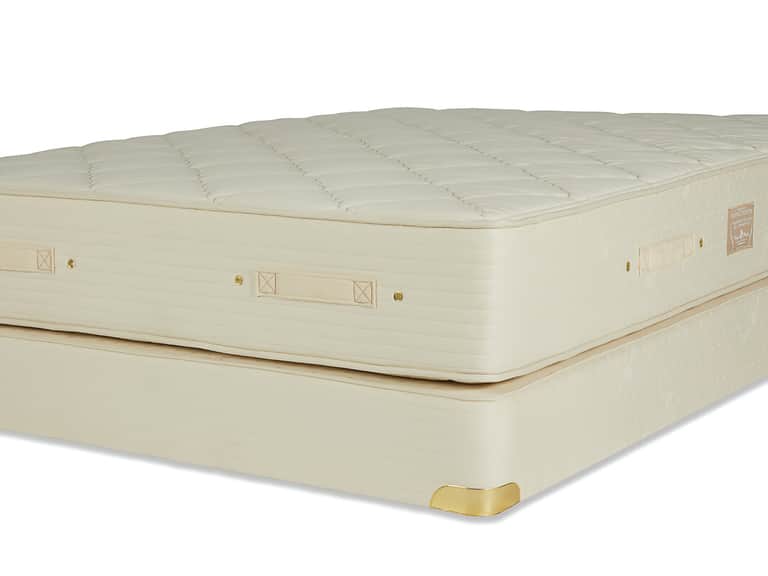
First, opt for a mattress with a breathable core and cover. Latex, particularly natural latex with open-cell structures, offers resilient support without a dense, overheated feel. It breathes. Cotton, bamboo, or other natural fibers in the cover improve airflow and moisture evaporation. Second, consider a topper that augments breathability without adding heat-trapping layers. A pluma-fil down-alternative topper, while plush, should be backed by a breathable shell to prevent heat buildup. Finally, enclosures or pad protectors that wick moisture can help preserve the sleep surface’s integrity over time, ensuring the bed remains comfortable across the South Florida seasons.
Materials, Measurements, and the Practicalities of Cooling
Material choices carry a striking balance between feel and function. For cooling in hot climates, the following considerations matter:
- Latex: Natural latex cores, especially those with pin-core or open-cell constructions, promote airflow and heat dissipation. Densities vary, but a medium to slightly firmer feel often yields a cooler sleeping surface than very soft foams that compress and trap heat.
- Covers: Breathable covers—cotton sateen or other natural fibers—enhance air exchange. A cover that draws moisture away from the skin can reduce night sweats and maintain a drier sleeping surface.
- Top Layer and Toppers: Breathable toppers can modulate the surface without compromising airflow. Look for toppers that are breathable and maintain surface loft without creating a heat trap.
- Encasements and Protectors: Moisture-wicking encasements protect the mattress from humidity and spills, helping to maintain the mattress’s longevity and the sleeper’s comfort.
Three Key Figures Through Time
In the spirit of how enduring wisdom travels through ages, consider three figures who illuminate our understanding of rest and materials, each from a different era.
Herodotus, the Chronicler of Habits (5th century BCE)
Herodotus, never merely a teller of wonders, was a keen observer of daily life and the textures of living. He would recognize that the environment—air, humidity, and surface—shapes the experience of sleep. If he were to weigh the Fort Lauderdale night, he would observe that the climate is a variable as tangible as any mattress component, and that the right surface helps a sleeper endure heat as one endures a long journey—by choosing what cushions the body and allows it to rest. In Herodotean fashion, we learn that the best sleeping habits are often the simplest: a surface that breathes, a room that does not overstay its welcome, and a routine that anchors rest in the moment rather than chasing an ideal form of coolness that only exists in a showroom.
Florence Nightingale, the Architect of Hygienic Comfort (19th century)
Even as a nurse and reformer, Nightingale’s quiet activism worked toward environments that supported well-being. If she toured a contemporary Fort Lauderdale bedroom, she would likely prize the symmetry of a breathing surface, the removal of irritants, and the discipline of keeping humidity in check through natural airflow and clean materials. Her legacy rests on the belief that comfort and cleanliness enable healing and rest. In our modern context, this translates to materials that are not only effective at cooling but also hygienic—natural latex with clean organic covers, moisture-wicking layers, and a layout that minimizes heat pockets. Nightingale’s insistence on environment and health serves as a sober reminder: the best sleep surfaces are not merely about sensation but about sustaining health and dignity across every season.
Natsume Sōseki, the Quiet Architect of Everyday Rituals (early 20th century)
In the subtlety of Sōseki’s daily rituals, we meet a mindfulness about routine, a sensibility that values steady rhythm and quiet spaces. If he were to write about Fort Lauderdale’s nights, he might emphasize a bedroom that is uncluttered, a surface that remains comfortable through small changes in temperature, and a ritual that respects the body’s needs. The moral here is to cultivate a sleep environment that adapts with the day’s heat, rather than fighting against the climate with aggressive cooling gimmicks. The point is not denial of heat but acceptance of cyclic variation—a notion that translates into selecting a mattress and bedding that respond gracefully to warmth and remain restful across the hours of the night.
A Fort Lauderdale Local Guide: How to Choose in a Hot Climate
Fort Lauderdale is a place where the heat meets the sea, where evenings invite a breeze that is a relief and not a guarantee. Here’s a practical, local-oriented checklist for choosing a mattress that stays cool in humid South Florida conditions.
- Prioritize breathability: Look for a latex core with open-cell structure and a breathable cover. The goal is to maximize air exchange around the body’s heat zones.
- Favor moisture management: Choose a cover and topper that wick moisture away from the skin. Materials like cotton sateen, linen blends, or other natural fibers assist in moisture transport without sacrificing comfort.
- Consider temperature regulation as a feature, not a gimmick: Any cooling feature should be tested in real-world conditions—room temperature and humidity can drastically alter perceived cooling.
- Match the topper to the mattress: If you use a topper, ensure it complements rather than blocks airflow. A pliable, breathable topper helps maintain loft and surface feel without overheating.
- Protect longevity and hygiene: Use a moisture-wicking protector to safeguard the mattress. Protection helps the surface stay cooler by preventing dampness from becoming part of the sleeping environment.
Product Spotlight: Arcadia Mattress Pad
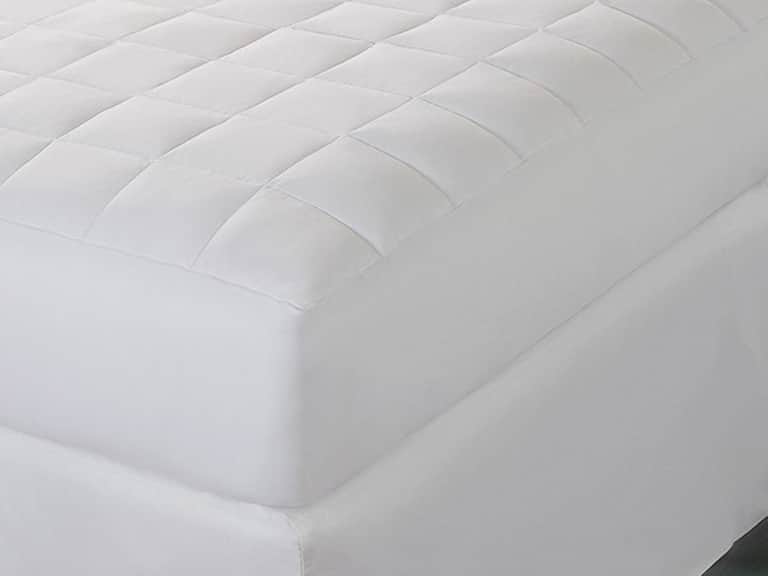
The Arcadia Mattress Pad presents a lucid case study in cooling strategy. With a pluma-fil down-alternative fill housed in a 330-thread cotton sateen shell, and a six-inch sewn-through box construction that keeps the fill evenly distributed, the Arcadia pad offers a breathable, lofted layer that sits lightly atop a mattress. The elasticized sides ensure a secure fit up to 17 inches deep, so the surface remains uniform across night after night. In the Fort Lauderdale context, a pad like Arcadia can be a practical solution for those who prefer a little extra cushion without compromising airflow. The product’s design emphasizes breathability, which is essential when humidity is high and nights offer only a modest temperature drop.
In this piece, Arcadia is not a single recommendation but a model for understanding how a well-made topper can influence the sleeping climate. Its material choices resonate with the climate: a gentle loft, a surface that’s soft yet breathable, and a cover that allows air to circulate rather than trap heat. If you’re looking for a testing ground for cooling, Arcadia provides a clear, tangible example of how a topper can change the feeling of a bed in warm weather.
Three Timeless Voices, Three Distinct Lessons
The meditation on sleep is always a conversation across time. Herodotus, Nightingale, and Sōseki remind us that the best sleep surfaces are not merely about sensation; they are about a mindful approach to a daily routine that respects climate, health, and daily rituals. Their voices, separated by centuries, converge on one pragmatic truth: design sleep environments that adapt to life’s rhythm rather than fight against it.
Fort Lauderdale’s climate makes this conversation particularly intimate. The city’s climate invites a certain kind of patience in choosing bedding and a return to a slower pace of experimentation. The goal is not to chase the perfect cooling gadget, but to cultivate an approach to sleep that prioritizes breathability, moisture control, and human comfort in a place where the night can feel both generous and insistent.
Conclusion: A Non-Promotional, Local Sleep Resource
What Fort Lauderdale’s warmth asks of us is simple: respect the body’s need for air and moisture management. The domain fortlauderdalemattress.com could serve as a local educational hub, a place where sleep scientists, designers, librarians, and residents share best practices, debunk myths, and highlight local resources—without turning every page into a sales pitch. The aim is to create a steady, editorial voice that treats sleep as a serious, nuanced topic, and one that remains approachable to readers who may be new to the conversation.
In a city that knows the weather as a daily companion, this guide seeks to be a companion for the reader. The path to cooler, more comfortable nights lies not in a single purchase but in a thoughtfully layered approach to materials, climate, and routines—a Fort Lauderdale-friendly approach to sleep that values knowledge, practicality, and a good night’s rest.
Further Reading and Resources
For readers seeking to broaden their understanding, consider exploring materials science journals on open-cell latex structures, textile studies on moisture-wicking fabrics, and local Fort Lauderdale resources on housing and indoor climate. Public libraries, university extension programs, and local wellness groups can be excellent entry points for conversations about sleep and the built environment. The Fort Lauderdale sleep conversation is not just about a mattress; it’s about the space where life happens—quiet, restorative, and breathable.
If you’d like, I can draft a starter content calendar (12-week plan) and a basic site structure (navigation, pages, and SEO-focused article topics) to kick off the project.